Recent posts

LANSDOWNE, UTTRAKHAND


Known for its striking sceneries, Lansdowne is located in the Pauri Garhwal district in the Indian state of Uttarakhand. This unexplored and underrated hill station is a perfect destination with disarming beauty and surprising charm. People visit this hill station to enjoy the peaceful tranquility. Lansdowne is set amidst lovely surroundings - tall oaks and blue pines rise like spires off the mountainside. The forests are lovely, dark and deep, just ideal for those long walks and picnics. There are amazing mountain views of the Western Himalayas from a number of vantage pints like Snow View and Tiffin Top.


The cool air and amazing vistas provide you with unforgettable experiences. The soothing and salubrious climate of this region attracts a good number of people to visit and spend their holidays here. Nature lovers and newlyweds love this hill station as it is considered a treasure trove of romance and scenic beauty.


Lansdowne was originally a popular hill station with the British. Attracted by its healthy climate and natural beauty, they established a cantonment here. It was founded by the, then Viceroy Lord Lansdowne in 1887 AD. Thus the place has been named after him. The famous Garhwal Rifles of the Indian Army has its command office here.


The climate of Lansdowne is characterized by cold winters and pleasant summers. Dehradun is 79 kms and Haridwar is 54 kms away from Lansdowne and provide good bases to explore the region.There are plenty number of hotels in Haridwar  and Dehradun which features all modern amenities.


Lansdowne is well connected to all major cities in Uttrakhand and is at a very short distance from the national capital Delhi. You can get buses and taxis from Delhi and the commute takes hardly 6-7 hours by road. You can also get to Lansdowne via trains by taking a train to Kotdwar which is located at a short distance of just 40 kilometers by road.


Tip-In-Top also known as Tiffin Top is situated in the ridge near St. Mary’s Church. This is a popular spot among tourists visiting Lansdowne. From this spot, tourists can get view of the beautiful snow covered Himalayas and some parts of Tibet.


Tarkeshwar Mahadev Temple is dedicated to Lord Shiva. It is an ancient temple and the belief is that the deity here fulfills ones wishes. The Mahashivarathri festival is celebrated in this temple with great enthusiasm in Lansdowne. You can get the view of thick blue pine forests, dense deodars and oak trees in the surroundings of this temple.


Snow View Point is a vantage point with excellent views of snow clad peaks of Chaukhamba and Trishul. Ideal place for picnics.


Bhulla Lake is an artificial lake dedicated to the young Garhwali youth of Garhwal rifles who contribute their services for our protection. A children park, Bamboo machan and fountain have been erected as part of entertainment. Boating facility is also available at Bhulla Tal.
Located at the top of Lansdowne, Santoshi Mata temple area offers great views of the Himalayan Range.A good place for mediation and peace. You can also see sunset from here.


Jungle Safari is one of the popular Lansdowne Attractions where you can get yourself a ride into the thick forests nearby. This activity attracts adventurous tourists as they can explore thick oak trees and blue pine forests in Lansdowne. The cool temperature of this place makes the jungle drive enjoyable.


Kanvashram, a sacred ashram located near Lansdowne hill station, is a gateway to Puri, the most sought temple town in India. This ashram is bordered by thick forests and hillocks, making it a beautiful place for feasting the eyes of tourists. A spectacular attraction nearby is the famous Malini River flowing near to this Ashram. This ashram bears mythological importance related to the Sage Kanvan. It is believed that ‘Shakuntala’, the step daughter of Sage Kanvan has given birth to her son “Bharath in this Ashram.

BHEDAGHAT, MADHYA PRADESH


Bhedaghat is a town and a nagar panchayat in Jabalpur district in the state of Madhya Pradesh, India. It is situated by the side of river Narmada and is approximately 20 km from Jabalpur city. The gorges of Bhedaghat  are one of a kind. Famed the world over for its marble rock formations carved by the mighty Narmada, Bhedaghat is full of raw natural beauty.


These white rocks with views of black and dark green volcanic seams are truly majestic, and produce a magical effect on moonlit nights. The holy river flows by tranquilly flanked by the towering cliffs which reflect in it like a mirror the changing moods of nature. Many bollywood movies has been shooted here like Ashoka, Jis desh Main Ganga Behti Hai etc.


The meandering river, giant rock faces and nearby Dhuandhar falls and Chausath Yogini temple (dedicated to Goddess Durga) make for a great visual treat, especially on a moonlit night. Fossilized remains of animals along with stone age tools have been found here from the sections of Bawanganga, the original bed of Narmda. The scenic beauty it produces has perhaps no parallel in the world.


Dhuaandhar water fall is a must see tourist destination of Jabalpur city. Visitors do visit Dhuandhaar and capture its pictures on their cameras. The mist created by water falling on hard rock creates visuals of smoke emanating from the river bed. Hence it is called Dhuandhar or Smoke Cascade. The white water pummels down to form a gorge known as the Marble Rocks. Generally it is a very first choice to visit Bhedaghat and do boating in between in between erected marble rocks. 


Rope-Way in Dhuaandhar is also a good experience for tourists.


One of the oldest heritage sites in India, Chausath Yogini Temple is situated on a hilltop in Jabalpur. Built in the 10th century A.D., the temple is the abode of Goddess Durga along with 64 yoginis or shaktis considered to be the different forms of the Goddess. Around 150 steep steps lead to the shrine which is at a good height. The complex of the temple consists of 64 shrines in circular motion, one for each yoginis and a main shrine where Lord Shiva and his consort Goddess Parvati are seen riding on Nandi, the sacred bull. The environment at the site is very calm and composing with lush greenery around. Standing at the open-sky courtyard you can witness a panoramic view of the River Narmada and the surrounding landscape.


Soaring in glittering splendour, the Marble Rocks at Bhedaghat rise to a hundred feet on either side of the Narmada. The serene loveliness of the scene is one of cool quiet, the sunlight sparkling on the marble-white pinnacles and casting dappled shadows on the pellucid waters. These white rocks with views of black and dark green volcanic seams are truly majestic, and produce a magical effect on moonlit nights. The holy river flows by tranquilly flanked by the towering cliffs which reflect in it like a mirror the changing moods of nature. A little distance away, it becomes turbulent as it plunges in a mighty water fall known as Dhuandhar.


Jabalpur (23 km) is the nearest airport connected to Bhopal & Delhi with regular flights. Frequent buses, tempos and taxis are available from Jabalpur. Jabalpur, on the Mumbai-Howrah (via Allahabad) main line, is the main railhead. All mail, express and passenger trains halt here. One can have good accommodation facility through out Madhya Pradesh state weather you are in Jungles, heritage sites, pilgrim sites or in a hill station. It is the Madhya Pradesh State where luxury safari lodges of Taj Group is located with world class facilities. You can find 5-star category hotels in Gwalior, Indore, Bhopal cities.


LOTUS TEMPLE, DELHI


Lotus Temple in the national capital stands tall as a true symbol of peace and communal harmony. It is one of the most visited buildings in the world, attracting over 50 million people since it opened in 1986. Designed by Iranian-Canadian architect Fariburz Sahba, it is a wonderful place to enjoy silence – a rare experience in Delhi. Styled after a lotus flower, with 27 immaculate white-marble petals, the temple was created to bring faiths together. Visitors are invited to pray or meditate silently according to their own beliefs. The attached visitor centre tells the story of the Bahai faith. It may soon become the fourth world heritage site in the city if things go according to plan.


The sanctum of "27 blooming petals" stands at 40 meters tall with a capacity of accommodating more than 2000 people. The temple is made of white marble from Greece and sits on 26 acres (10.5 hectares) of land. It has nine doors that open in a central hall. It is surrounded by nine ponds and appears as if the temple is floating like a Lotus flower in water. Embodying equality, humanity and religious unification, Lotus Temple, which is among seven Bahai Houses of Worship around the world has won laurels all around the world both for structural design value and inherit rationale behind the construction.

The belief behind the Bahai house of worship is that it should be open for all, regardless of denomination. There are however certain rules: no sermons can be delivered, no ritualistic ceremonies and no musical instruments can be played. There are also no religious images displayed.


Catch the bus to Nehru Place Bus Terminal and it is a short walk from there. The best way to reach the Lotus Temple is take the metro. The nearest metro station to the temple is the Kalkaji Mandir metro station. You can go on a guided tour or self-guided tour of the temple. There is an information center showing films and regular daily prayer sessions in the hall. You must take off your shoes before entering - there is a shoe room. Photography is prohibited inside the temple.
TIMINGS

All days of the week except Monday: 9:00 AM-7:00 PM

PINK CITY JAIPUR


Along with Delhi and Agra, Jaipur forms the Golden Triangle of Indian tourism.
Located at a distance of 260 km from the Indian capital New Delhi, Jaipur is one of the most vibrant destinations in India.
 According to TripAdvisor's 2015 Traveller's Choice Awards for Destination, Jaipur ranked 1st among the Indian destination for the year. The capital and the largest city of Rajasthan, it was founded by Maharaja Sawai Jai Singh II ,in 1727. Also known as the Pink City, it is home of the Jaipur Literature Festival that is held in January every year. Known for its fascinating monuments and colorful markets, gorgeous handloom garments and wonderfully laid-out gardens, it is not difficult to fall in love with Jaipur the moment you land there.


Besides offering the usual smattering of budget, mid-range and five-star hotels, Jaipur also has several havelis that have been turned into homestays and professionally run lodging homes. Often run by their owners, these havelis also host wonderful weddings.


Jaipur is located on National Highway No. 8 connecting Delhi and Mumbai. Jaipur Railway Station is well connected to all major cities of India. Jaipur International Airport is in Sanganer, 10 km from the centre. The airport operates regular domestic services to major Indian cities. International destinations served include Abu Dhabi, Dubai, muscat and Sharjah.


Situated at a distance of about 11 kilometers from Jaipur, Amer Fort was built in 1592 by Raja Mann Singh I. It is one of the tourist attractions of Rajasthan as well as one of the famous historical place of India. A blend of traditional Hindu and Rajputana architecture, the fort has been aesthetically designed out of marble and red sandstone. The Maotha Lake adds a certain charm to the entire Fort. Every year Too many tourists came in Amer fort to see awesome architecture of Amer fort and beauty of Jaipur.


The City Palace is a palace complex, situated in the core of the Pink City Jaipur.The palace was built between 1729 and 1732 AD by Sawai Jai Singh II. The beautiful complex comprising numerous edifices, vast courtyards and attractive gardens, is a souvenir of the majestic history. The Chandra Mahal and Mubarak Mahal are some of the significant structures in the complex. To preserve the valuable items of the bygone era, many compartments of the palace have been converted into museums and art galleries. To witness the beauty of the palace, thousands of visitors from across the world visit the City Palace every year.


The renowned 'Palace Of The Winds', or Hawa Mahal, is one of the prominent tourist attractions in Jaipur city. Located in the heart of Jaipur, this beautiful five-storey palace was constructed in 1799 by Maharaja Sawai Pratap Singh. The main highlight of Hawa Mahal is its pyramid shape and its 953 windows or 'Jharokhas' which are decorated with intricate designs. The main intention behind the construction of the Mahal was to facilitate the royal women and provide them a view of everyday life through the windows, as they never appeared in public.


Possibly the most serene sight amidst the chaos of Jaipur is the beautiful Jal Mahal. Literally meaning as ‘Water Palace’, Jal Mahal is located amidst the Man Sagar Lake and was constructed by Sawai Pratap Singh in the year 1799. The beauty of the palace lies in its location as the palace cum hotel is standing in the centre of the lake. Made in red sandstone, the palace is actually five-storeyed where only the top story is visible (rest are submerged under water). At the top, there is a garden which has semi-octagonal towers in every corner.


The Jantar Mantar(World Heritage Site) in Jaipur, is an astronomical observation site built in the early 18th century. It includes a set of some 20 main fixed instruments. They are monumental examples in masonry of known instruments but which in many cases have specific characteristics of their own. Designed for the observation of astronomical positions with the naked eye, they embody several architectural and instrumental innovations. This is the most significant, most comprehensive, and the best preserved of India's historic observatories.


Jaipur is also famous for Elefantastic, lies in the depths of the jungles and on the peaceful hilltops. It is a wide and beautiful farm area, which is famous as a natural habitat of elephants and for elephant ride. It is located in the Amber, is the small and elegant town located 1 km from the Amber Palace. It will be an amazing experience that you will visit royal city Jaipur by royal ride of elephant. You can explore complete area of this place .Your visit start from the warm welcome by the team of elefantastic and elephants. The elephant safari starts before sunset and end after dark.


There are a lot more places to visit like Nahargarh Fort, Jaigarh Fort, Birla Mandir, Rambagh Palace etc. Jaipur is not just a tourist spot. It is a destination to learn, enjoy, wonder, experience, ponder and get adventurous. 

MAHABALESHWAR, MAHARASHTRA


Mahabaleshwar is a city and a municipal council in Satara district in the Indian state of Maharashtra. It is a most popular hill station located in the Western Ghats range. It is a vast plateau rising 1372m above sea-level and was the designated summer capital of the Raj-era Bombay Presidency. Mahabaleshwar means ‘God of Great Power’ in Sanskrit. Indeed, the place is great and bountiful, rewarding the visitor with a mix of old-world charm, natural beauty and modernity. Mahabaleshwar along with Panchgani makes for a wonderful holiday or even just a weekend getaway. Winding roads, a cool breeze at all times, vantage points offering breathtaking views of hills and valleys, plenty of strawberries to gorge on and a main street full of shops.


Mahabaleshwar is famous for its breathtaking natural beauty,with its magnificent views of the flat-topped ghats and dense evergreen forests Soaring peaks, breathtaking valleys, lush flora, cool, crisp mountain air. While numerous trekking trails beckon the adventurous traveller, for the exhausted city-dweller it offers a rejuvenating mix of antiquated charm in its ancient temples and colonial buildings.


About 24 km. away from Mahabaleshwar lies Pratapgad, the pride of the Maratha Empire. Built in 1656 by Chhatrapati Shivaji Maharaja.The fort encompasses two ancient forts; the Upper Fort - built on the top of the hill and the Lower Fort. it is a maze of ponds, chambers and long dark walkways, some of which lead to trap doors that open to a 100 meter fall.The fort is the witness of historic Battle of Pratapgarh between Shivaji and Afzal Khan. The Pratapgad fort offers exhilarating and excellent views of the Konkan valley. Since Pratapgad lies slightly off the road to Mahabaleshwar, a visit to this historic monument is recommended in all travel itineraries.


The Venna lake is one of the major tourist attractions of Mahabaleshwar. It is situated around 2 km from the ST bus stand. The lake is 2.5 km long and is encircled by trees on all sides and a boat ride on this lake is a wonderful experience indeed. Tourists can also enjoy activities like fishing and horse riding. There are a few small eateries and strawberry stalls lined up at the banks of the lake. The local bazzar and bus stand is very near make for a nice walk during the day.


There are three waterfalls in Mahabaleshwar; the first one is the Lingmala Falls which is located about 6 km from Mahabaleshwar.Located at a distance of 6 kms from Mahabaleshwar. The forest bungalow of Lingmala is situated near the falls. The water here launches from a height of approximately 600 feet.The best time to visit Lingmala falls is between July and December.The clear water of Lingmala waterfalls cascades into the Venna Lake during monsoon season.The second one is the Dhobi Falls which is located around 3 km from Mahabaleshwar.The waterfall is a popular picnic spot. The last one is the Chinamons Falls. It is located at around 2.5 km from Mahabaleshwar in an exotic place with Chinese cultivated gardens at close proximity.


Panchgani is a picturesque hill station near Mahabaleshwar and is perfect place for adventure lovers. With a year round pleasant climate, Panchgani provide good opportunities for those who love trekking and hiking on several tracks leading through thinning forests. The hill station got its name from the five hills which surround it. There are also a few more attractions in Panchgani for tourists to enjoy.


The Mahabaleshwar Temple is dedicated to Lord Shiva and is an important Hindu pilgrimage site. It is situated in the Old Kshetra Mahabaleshwar, about 6 km north from the main city.It is yet another exquisite example of Maratha heritage of Mahabaleshwar and was built by Chanda Rao More in the 16th century. The architecture of this temple is built in the South Indian Hemadanta style.


The beautiful place of Panchgani, popular in legends as the temporary abode of the “Panch Pandavas” is also well known for housing the sacred Rajpuri Caves. Located at a distance of 7 kms from Panchgani, the Rajpuri Caves hold religious significance. It is believed that the caves were used for penance and religious rituals by Lord Kartikeya. They are surrounded by many water kunds (ponds). It is also said to be the home of Pandavas during their exile. The holy river Ganga flows into these kunds. Worshippers of the river believe that the water flowing in it will cure all kinds of diseases and evils.


Lodwick Point, towering almost 1,240 meters above sea level, is one of the most visited Points and holds a monument in memory of General Lodwick Arthur’s Seat is well liked too for its great view of the Jor Valley.


Located beyond the Lodwick Point, the Elephant’s Head Point is the extreme end of the mountain range. If one wants to see nature's very own artwork then Elephant's Head Point serves as a treat to them. The rock formations here are set in a way that they resemble an elephant's head and trunk. Due to its appearance, the Elephant's Head Point has quite an apt name.


The nearest airport is at Pune about 120 kms from Mahabaleshwar. Nearest railroad is Satara, around 55 kms away. Nearest major railway junction is at Pune, 120 kms. There are regular state transport buses plying and even private transport is easily available to go to Mahabaleshwar. From Mumbai, it takes about 4 to 5 hours by car taking a route via Panvel through Mahad and Poladpur. There are frequent ST buses from Dadar and Mumbai CST. From Pune, it is a pleasant drive on the NH 4 upto Surur and then take a diversion towards Wai – Panchagani- Mahableshwar. Wai is at 85 kms from Pune and from Wai one has to travel through the picturesque Pasarani Ghat to go to Mahableshwar. The distance between Wai and Mahabaleshwar is about 35 kms.


JAISALMER, RAJASTHAN


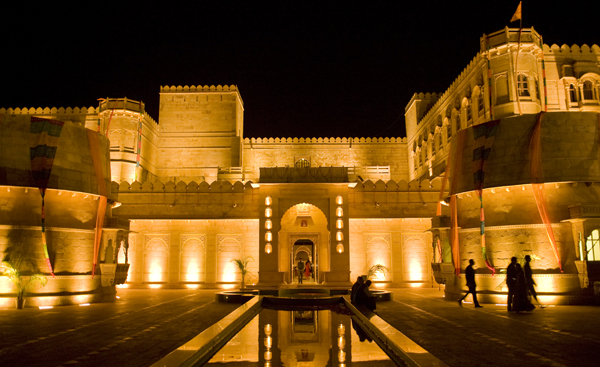
Jaisalmer is also known as ‘Golden City’ because of yellow sandstone that is used for construction as well as the yellow sand of the Thar desert. It is most famous for the 12th-century bewitching fort and ornate Havelis,Fascinating sand dunes of the Thar desert, stunning Jain Temples, fine merchant-built houses and pavilions in the city’s mediaeval lanes.The city is blessed with art, architecture, culture and traditions, all colorful. Jaisalmer has a number of handicrafts and antique markets. 


Jaisalmer Fort is one of the largest forts in the world. It was constructed byRaja Jaisal, Rajput ruler in the year 1156 AD. This fort, is popularly known as the ‘Sone Ka Quila’ by the local people, is located in the heart of the city, and is one of the most magnificent monuments in the city of Jaisalmer. The golden and yellow mixed sandstone offer magical look to the Fort. Rising from the desert sands like a mirage, the fort is a real sight with its 99 turrets during night. The Fort stands tall and proud displaying the magic of Rajasthani architecture.


Bada Bagh means 'Big Garden', is located on the Ramgarh road. The site has three different things to watch, a garden, a tank and a dam. In the vicinity itself you will find Govardhan Stambh (pillar). This pillar was constructed to commemorate the construction of the Dam and the tank. The garden offers a stunning view. The place is isolated. If you visit the place during sunrise and sun set, you are guaranteed of beautiful moments, which you cannot avoid clicking.


The Desert National Park is one among the largest parks in India. It is a protected sanctuary. Very unfriendly locality for species to survive and hence you will find fauna and flora live on the desert’s edge. Nevertheless this place attracts large hoard of migratory birds due to its close proximity to Bharatpur. You could take a jeep safari to enjoy the magnificent landscape, which offers view of extinct lakes in this park.


One of the largest havelis in Rajasthan, Patwon ki Haveli is a cluster of five small havelis. The large corridors and the decorated walls are excellent representations of the art form that prevailed.The haveli is dipped in an enchanting shade of gold and instantly draws your attention to the intricacy of its architecture. It is most famous for its fine wall paintings, beautiful jharokhas (balconies), archways and gateways.The grandeur and the architecture of the monument add immense value to the cultural heritage of the city. Out of the five havelis, one is converted into a museum.


There is no point coming to the Thar Desert if you don't go for the Desert Safari. Sam Sand Dunes is the ideal location to set off for the Desert Safari. You will love the safari on camelback that would take you along crests and troughs and you could watch the picturesque sunset on the desert. Sam has a truly magnificent stretch of sweeping dunes, with sparse or no vegetation. Jeep safaris are available as well.


Gadisar lake is just a walk from Patwon ki Haveli and rest of town centre and kind of place best to visit around Sunset for good views and a bit of boating. The people of the desert city depended on this tank for their water needs. You will find temples, Holy shrines and Chattris around the banks of this lake. The artistically carved entrance made of yellow sandstone offers breathtaking view.


Desert Festival is held over three days in January/February every year. This is the best time to visit Jaisalmer.A three-day long extravaganza of dances, music, handicraft fairs and interesting competitions- including really unusual ones like a 'Mr Desert' pageant, a 'turban-tying' contest and a 'best moustache' contest- the Jaisalmer Desert Festival is organised by the Rajasthan Tourism Development Corporation. It's a fantastic showcase of all things Rajasthani, and is justifiably popular with tourists, both Indian and foreign. Besides the food, the music and the cultural performances, there are camel rides, processions, camel polo, and even a camel tug-of-war. All of it is held against the backdrop of the awesome Jaisalmer fort. Fireworks displays at night light up the area, and the fort is illuminated too.


Jaisalmer is connected to rest of rajasthan by buses provided by rajasthan state transport corporation and other private bus operators.Airport is currently inactive. Jaisalmer is connected to rest of india.There are daily trains between jaipur and jaisalmer. Jaisalmer is connected to delhi by jaipur route.Additionally there exists a luxurious train palace on wheels for tourists. Jaisalmer offers accommodation for all budgets. Suryagarh, BRYS Hotel, Joggan Jaisalmer Camp are some of the most beautiful places you could stay at. If you want to witness the beauty of the desert it
is advisable to stay at the desert camp.